
Applying for an airline credit card is easier when you start with costs, not hype. Many people focus on bonuses, but JetBlue Mastercard application perks only matter if the card fits your budget.
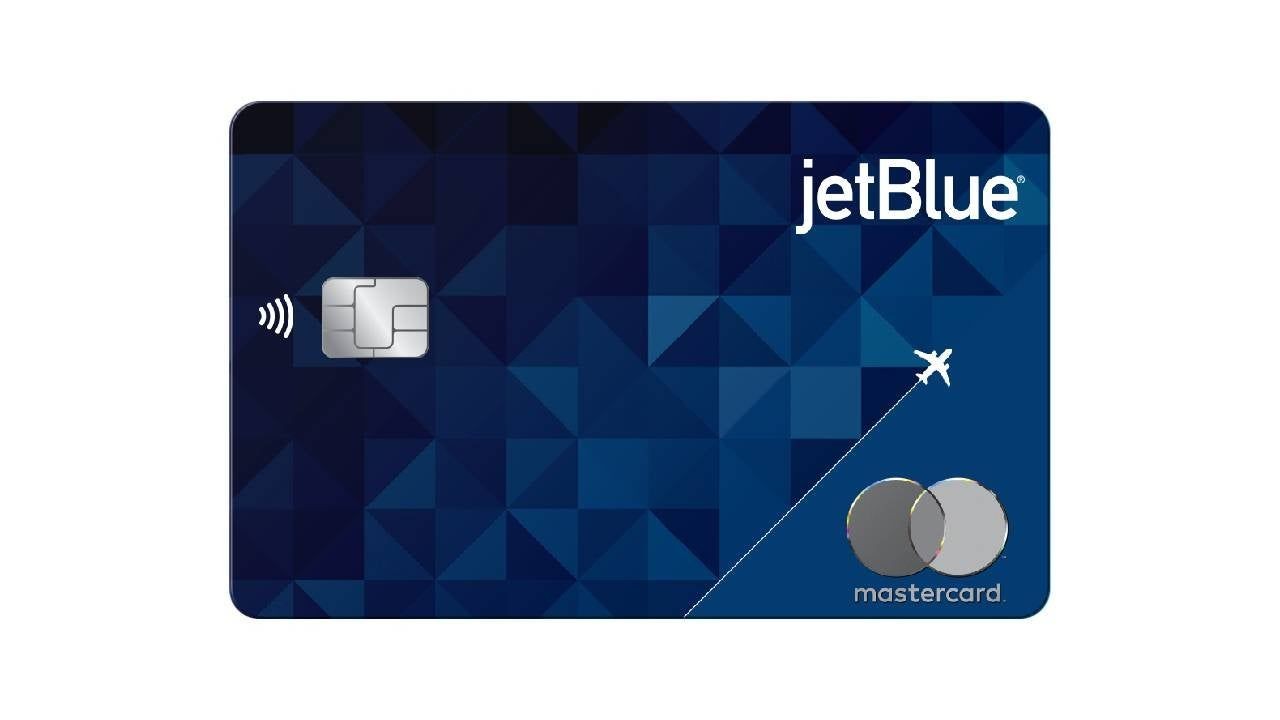
The JetBlue lineup includes the JetBlue Card, JetBlue Plus Card, and JetBlue Premier Card, each priced for different travel habits. You should compare fees, interest rates, and recurring benefits before you apply.
This guide breaks down the numbers first, then shows how to apply them cleanly. You will finish with a clear checklist and a simple decision.
The Real Cost Of A JetBlue Mastercard Over A Year
Most cardholders underestimate the annual cost because they only think about the annual fee. Your real cost includes how you pay, whether you carry a balance, and which benefits you actually use.
Start with the annual fee and your expected travel pattern before you compare point earnings. If you fly once a year, a premium card can be an expensive value.
If you fly often, a fee can be reasonable when it offsets trip expenses. The sections below show how each card tends to land on cost.
Annual Fee Differences Across The JetBlue Cards
The JetBlue Card is positioned as a no-annual-fee option for people who want points without a fixed yearly charge. The JetBlue Plus Card has a $99 annual fee, which can be easier to justify if you use bag benefits and annual bonuses.
The JetBlue Premier Card is priced at $499 per year, and authorized users can add an extra fee in many offers. These fees set your break-even point before you earn a single point. Your decision should start here, not with marketing.
How Interest Can Outweigh Any Points You Earn
Interest is where travel cards become expensive, especially if you carry balances from month to month.
The JetBlue Premier Card is often shown with a variable APR range around 20.24% to 29.99%, and similar ranges appear for JetBlue Plus offers. The JetBlue Card also shows a variable APR range, depending on your credit profile at approval.
One month of interest can erase months of points when the balance is high. If you plan to carry debt, focus on a payoff strategy before perks.
Other Charges That Show Up When You Use The Card
Beyond APR, you need to account for common fees that appear in card terms. Many JetBlue card offers list a balance transfer fee that is the greater of a flat amount or a percentage of the transfer.
Cash advance fees are typically higher and start accruing interest immediately. Some offers list no foreign transaction fees, which matters if you pay in non-US dollars while traveling.
Late payment fees add cost quickly when you miss due dates. Autopay and alerts reduce this risk.
Rates, Fees, And Charges That Decide Your Total Cost
Before you apply, you should read the pricing and disclosures like you are signing a contract, because you are.

Variable APR means your rate can change with market conditions after approval. Fees apply differently depending on how you use the account, and they can stack in a stressful month.
You control costs most by paying in full and avoiding balance transfers unless you have a plan. The next sections explain what to look for and how to interpret it.
Purchase APR Versus Balance Transfer APR
Many JetBlue card offers highlight a 0% introductory APR on balance transfers for a set number of billing cycles, but that does not always apply to new purchases.
After the intro period ends, the purchase and balance transfer APR can revert to the standard variable range. If you use a balance transfer, you should still expect a transfer fee upon posting.
Intro APR language can be narrow, so you must check the exact conditions and dates. Treat it as a short window, not a long-term solution.
Balance Transfers, Cash Advances, And Payment Timing
A balance transfer can help if you are consolidating debt, and you can pay it down before the intro period ends. Cash advances are rarely a smart move because the fee is often higher, and interest typically starts immediately.
Payment timing matters because interest is avoidable when you pay the full statement balance by the due date. A single missed due date changes your costs through late fees and interest charges.
Set reminders, autopay at least the minimum, and verify your first statement due date. This is a cost control step, not a perk.
Foreign Transaction Fees and Travel-Friendly Terms
If you travel outside the United States, foreign transaction fees can add a small surcharge to every purchase abroad. Many JetBlue card offers are marketed with no foreign transaction fees, which can make the card more practical on international trips.
You should still confirm that the terms match your card version and your currency use. No foreign transaction fees protect everyday travel spending when you use the card for hotels, meals, and transit.
This is a simple value because you do not need to change behavior. Always read the current fee section before applying.
Perks That Offset Costs If You Use Them Correctly
After you understand the costs, perks become easier to evaluate honestly. Points matter if you can earn them on spending you already do, and if you redeem them without restrictions.

Travel benefits matter when they reduce real trip expenses, not when they sit unused in your account. Perks should pay you back in ways you can measure, like bag fees avoided or credits earned.
This section highlights the features that tend to create practical value for most applicants.
Point Earning Categories That Match Real Budgets
The JetBlue Card is often described as earning around 3 points per dollar on eligible JetBlue purchases, 2 points at restaurants and grocery stores, and 1 point on other purchases.
The JetBlue Plus Card and JetBlue Premier Card are commonly shown with 6 points per dollar on eligible JetBlue purchases, plus 2 points at restaurants and grocery stores, and 1 point elsewhere.
Premier may add stronger earnings for certain travel portal purchases depending on the offer. Your everyday categories drive the long-term total more than a one-time bonus. Choose based on your spending habits.
Travel Benefits Like Bags, Boarding, And Inflight Savings
Travel perks are where airline cards can reduce the cash you spend on trips. The JetBlue Plus and JetBlue Premier cards are often marketed with a first checked bag free for the cardmember and companions on the same reservation when terms are met.
Many offers also list 50% savings on eligible in-flight food and drink purchases on JetBlue-operated flights. Premier adds premium travel access features tied to JetBlue lounges and Priority Pass in official announcements.
These benefits matter only when you actually fly and book in ways that qualify. Estimate your yearly use before paying a fee.
Credits And Anniversary Bonuses That Reduce Net Cost
Credits and anniversary points can reduce the effective cost of a card if you trigger them every year.
The JetBlue Premier Card has been announced, offering up to $300 in statement credits for certain travel portal purchases per calendar year, plus an annual points bonus on your account anniversary.
The JetBlue Plus Card is also commonly shown with an anniversary points bonus, and some versions include an annual statement credit tied to travel packages. Anniversary value is predictable if you keep the account active and meet the terms. Do not count credits you cannot realistically use.
Requirements You Need To Prepare And How To Apply Officially
Once you choose a card, approval depends on your credit profile and the accuracy of your application.

Issuers look at your credit history, your income, and your existing debt obligations. You should prepare the details you will enter so you do not create mismatches that trigger delays.
A clean application is accurate and consistent with your credit file. The final sections cover what to gather and what the official application path looks like.
Credit Profile Signals That Affect Approval Odds
Most airline cards target applicants with good to excellent credit, though approval depends on the issuer’s full review. Your payment history, recent inquiries, and credit utilization can matter as much as your score.
If your utilization is high, paying down balances before applying can improve your odds. If you have recent late payments, waiting and rebuilding can help you avoid a denial.
Apply when your profile is stable, and your reports reflect your current address and identity details. This reduces verification steps and speeds decisions. Keep your expectations realistic and do not apply repeatedly in a short window.
Information And Documents To Have Ready
Before you start, gather your legal name, date of birth, Social Security number, and current address exactly as it appears on your credit file. You should also know your income and your monthly housing payment, including rent or mortgage.
If you are self-employed, have recent tax figures ready in case the issuer requests follow-up documentation. Keep your phone and email available because you may receive a verification prompt during the application.
Fast, accurate entry prevents avoidable delays caused by conflicting details across records. This is one of the easiest ways to improve your approval experience.
Step-by-Step Application And What Happens Next
Apply only through JetBlue’s TrueBlue credit card pages or the issuing bank’s official application flow, then confirm you are selecting the exact card you compared.
Review the annual fee, the APR range, and the key fees before you submit, then complete the form with accurate personal and financial details. After submission, you may receive an instant approval, a pending review, or a denial with reasons.
If pending, respond quickly to any verification request so the application does not stall. Track your status through official support channels and keep your confirmation details saved. Once approved, activate the card and confirm your TrueBlue number is linked correctly.
Customer Service Hotline And Headquarters Location
If you need help before or after you apply, start with JetBlue’s main customer service hotline at 1-800-JETBLUE (538-2583) for general travel and TrueBlue account questions.
JetBlue’s corporate headquarters is located at 27-01 Queens Plaza North in Long Island City, New York, in the Brewster Building. Keep your confirmation details handy, because support will usually ask for them.
Conclusion
The best JetBlue card is the one that fits your budget and your travel routine. JetBlue Mastercard application perks only pay off when you can recover fees through benefits you will use.
Prepare your information, apply through official channels, and keep your confirmation details. If you pay in full and use the right perks, the value stays predictable.
Note: There are risks involved when applying for and using credit. Consult the bank’s terms and conditions page for more information.