
If you are trying to reduce existing card debt, a balance transfer offer can buy you time, but only if you follow the rules.
The Nationwide Credit Card application process is built around a member eligibility check and a clear set of promotional deadlines. You will want to confirm what offer you are being quoted before you submit a full application.
Nationwide’s balance transfer credit card pairs a long 0% transfer period with a short 0% purchase window. The trade-off is that fees and timing can change your total cost fast. This guide breaks down what you get, what it costs, and how to apply the official way.
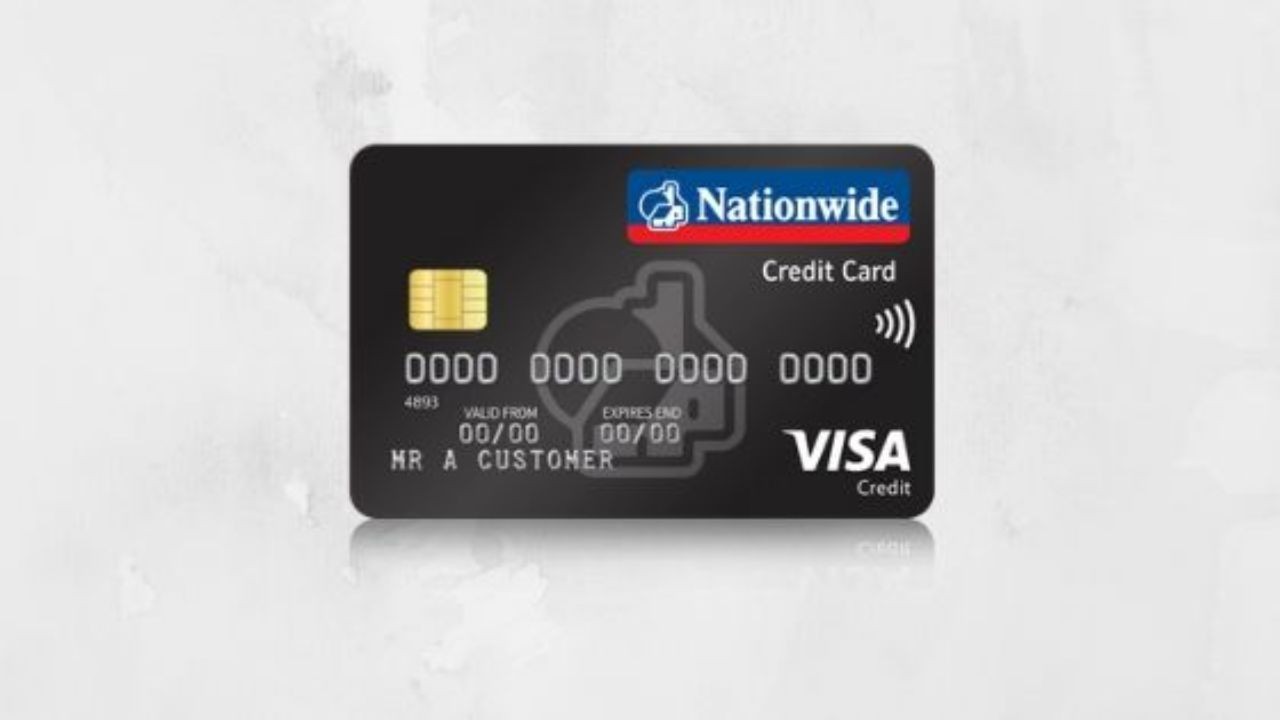
What You Get With Nationwide’s Balance Transfer Card
Nationwide’s balance transfer credit card is structured around introductory offers and everyday tools you can manage in the app.
Introductory 0% periods start from the day you open the account, so your first month matters more than people expect. You also get an eligibility check that does not impact your credit score before you apply.

On top of that, the card is positioned for UK and overseas spending, with Nationwide stating it does not charge fees on purchases made abroad. Your actual APR and credit limit are confirmed during the application.
The 0% Balance Transfer Offer And The 90 Day Deadline
The headline deal is 0% interest on balance transfers for 30 months, but it only works if you act quickly. You need to make a balance transfer within 90 days of opening the account to get the interest-free rate.
If you transfer within that window, the fee is 2.99% or £5, whichever is greater, on each transfer. After 90 days, the fee changes to 2.4% or £5, whichever is greater, and interest applies at the standard rate. This timing rule is where most people lose the value.
The 0% Purchases Window and Where It Helps
This card also includes 0% interest on purchases for the first three months, which can help if you are trying to avoid adding new interest while you repay a transferred balance.
The three-month window begins when the account is opened, not when you first use the card. After the introductory period ends, purchases move to your standard rate, so you need a plan for what you will spend and when you will clear it.
If you are using the card to spread a one-off cost, keep your repayment schedule realistic. Used well, the purchase window is a short buffer for cash flow.
App Tools and Day-to-Day Control Features
Nationwide highlights app-based controls that are practical if you want visibility on spending and payments.
You can use the app to see how much you have spent, what your next payment is, and when it is due. You can also make payments and report the card lost or stolen through official channels.
If you are trying to stay disciplined, regular check-ins help you avoid drifting into minimum payment habits. Pair those tools with reminders for your statement date and due date. These controls are designed to keep you organized.
The Costs That Can Catch You Out
A 0% headline offer is not the same thing as a free card, so you need to understand how Nationwide frames fees and APR.

24.9% APR representative (variable) is the published representative figure for this product, and your personal offer could differ. Balance transfer fees are applied per transfer, so multiple transfers can raise your cost quickly.
Nationwide also outlines what happens after the introductory offers end, which is when many accounts become expensive. Your best defense is reading the fee table before you start moving balances.
Representative APR And What the Variable Really Means
The card is marketed with a representative APR of 24.9% (variable), which Nationwide explains as a guide rate offered to at least 51% of successful applicants.
Your personal APR can be different, and Nationwide confirms it during the application stage. Variable means the rate could change up or down over time, including when wider interest conditions change.
This matters because once your 0% periods end, the standard rate becomes the default cost of borrowing. Treat the APR as the baseline risk after promos.
Balance Transfer Fees Before And After The Offer Window
Nationwide is direct about the fee change tied to the 90-day rule, and it is not a small difference in practice.
Transfers made within 90 days carry a 2.99% fee or £5 minimum, while transfers after that carry a 2.4% fee or £5 minimum plus standard interest. The fee is applied to each amount you transfer, so splitting transfers across multiple cards can multiply costs.
If you are moving a large balance, even a percentage fee can be meaningful. This is why timing and transfer size should be planned together.
Other Charges You Should Factor Into Your Budget
Nationwide publishes a no-annual-fee structure for its credit cards, which is a clear advantage if you want low overhead. Cash advances and withdrawals are a different story, with fees applying if you use the card for cash-like transactions.
Nationwide also states it offers commission-free purchases worldwide, but that does not remove interest if you are carrying a balance beyond your promotional period.
The practical move is to avoid cash withdrawals and keep purchases inside your repayment plan. The simplest rule is not use it as a cash card.
Eligibility And What To Prepare Before Applying
Nationwide frames this product as member-only, and your eligibility starts with basic requirements that are easy to miss.
Member-only credit cards mean you need a Nationwide current account, savings account, or mortgage before you can apply.
The bank also lists age, residency, and income thresholds, which set a clear baseline for applicants.
You should also pay attention to timing rules related to recent declines and prior Nationwide credit cards. Preparing your details before you start reduces errors and delays.
Minimum Requirements You Must Meet As A New Applicant
Nationwide states you can apply if you are 18 or over, a UK resident, and earn £5,000 or more a year before tax. You also need to hold a Nationwide current account, savings account, or mortgage to qualify for the application path.
Nationwide advises you should not apply if you have been declined for a credit card in the last 30 days, because applying again could affect your credit score, and the decision is unlikely to change.
It also notes restrictions tied to having had a Nationwide credit card within the last 12 months. That is the rule set that gates entry.
Information And Documents To Gather Before You Start
Even when a lender does not list every document on the product page, you can expect the basics to come up in the application flow.
Nationwide says it will ask about your living situation, income, and outgoings to determine the APR and credit limit it can offer. You should be ready with your address history, employment details, and realistic monthly expense figures so your answers are consistent.
If your income varies, use a sensible annual estimate you can explain. You should also confirm your Nationwide membership details are current. A clean file reduces avoidable application friction.
Habits That Improve Approval And Reduce Later Problems
Approval is not the finish line, because the real goal is to clear debt before the standard rate applies. Start by setting a monthly repayment target that pays down the transferred balance inside the 0% window, not just before it ends.
Keep making payments on your old card until the transfer is confirmed, because transfers can take time, and missed payments can trigger fees elsewhere.
Avoid adding new spending that you cannot repay during the introductory purchase period. Finally, track your statement date so you do not miss the due date and drift into late payment stress. The most important habit is treating the offer like a deadline.
How To Apply Through Nationwide’s Official Channels
Nationwide provides more than one official route to apply, and your best option depends on whether you want speed or support.

Official application routes include applying through Internet Banking, applying by phone, or getting help in a branch if you need guidance. The online route is designed for members who already use the internet bank.
The phone route is framed as both an eligibility check and an application path. Branch help is positioned as support for people who want to talk through the process in person.
Apply Online Through Internet Banking
Nationwide’s primary method is applying through the internet bank, which aligns with the member-only requirement.
The process starts with an eligibility check where you answer questions about your circumstances, and Nationwide tells you what APR and credit limit it can offer. It states that checking eligibility will not impact your credit score.
If the offer works for you, you can continue into the full application within the same official flow. The key is to complete the application with accurate income and outgoings data, because that is part of how the offer is set. This is the fastest route for most members.
Apply By Phone Or Get Support In Branch
Nationwide also offers a phone route where it can confirm eligibility and take your application if you decide to continue.
It publishes call hours and UK and international numbers for this application support line, which is useful if you cannot access the internet bank or want reassurance on the steps. If you need extra support, Nationwide says it can talk you through your application in person at a branch.
A practical approach is to prepare your income and outgoings figures before you call, so the eligibility conversation stays consistent. Choose the route that reduces mistakes, not the route that feels fastest. This is how you keep the application clean.
Customer Service Numbers And Head Office Details
Nationwide lists dedicated credit card phone numbers with clear opening hours for general support.
Credit card support is available Monday to Saturday, 8 am to 8 pm, and Sundays and bank holidays, 9 am to 5 pm, with a UK number and an international number published for international callers.
Nationwide’s credit card agreement includes a postal address for contacting the building society in writing. The listed address is Nationwide Building Society, Nationwide House, Pipers Way, Swindon, Wiltshire, SN38 1NW.
Conclusion
A balance transfer card can be a smart move if you treat it like a structured project, not a casual refinance. The Nationwide Credit Card application is built around membership, eligibility checks, and strict timing rules that decide whether you get 0% value.
You should plan your transfer amount, transfer date, and repayment pace before you open the account.
Note: There are risks involved when applying for and using credit. Consult the bank’s terms and conditions page for more information.