
Applying for the Postbank Mastercard Credit Card is straightforward once fees, versions, and eligibility are clear.
Updated pricing ties the annual charge to specific checking packages, while mobile wallets and global acceptance cover daily payments at home and abroad. Matching the card to your account type first prevents surprises and shortens the application flow.
What The Card Offers and Who It Suits
The standard card focuses on predictable pricing, global acceptance, and wallet compatibility. Tap-to-pay works in stores, transport, and apps, while contactless limits follow German and network rules.
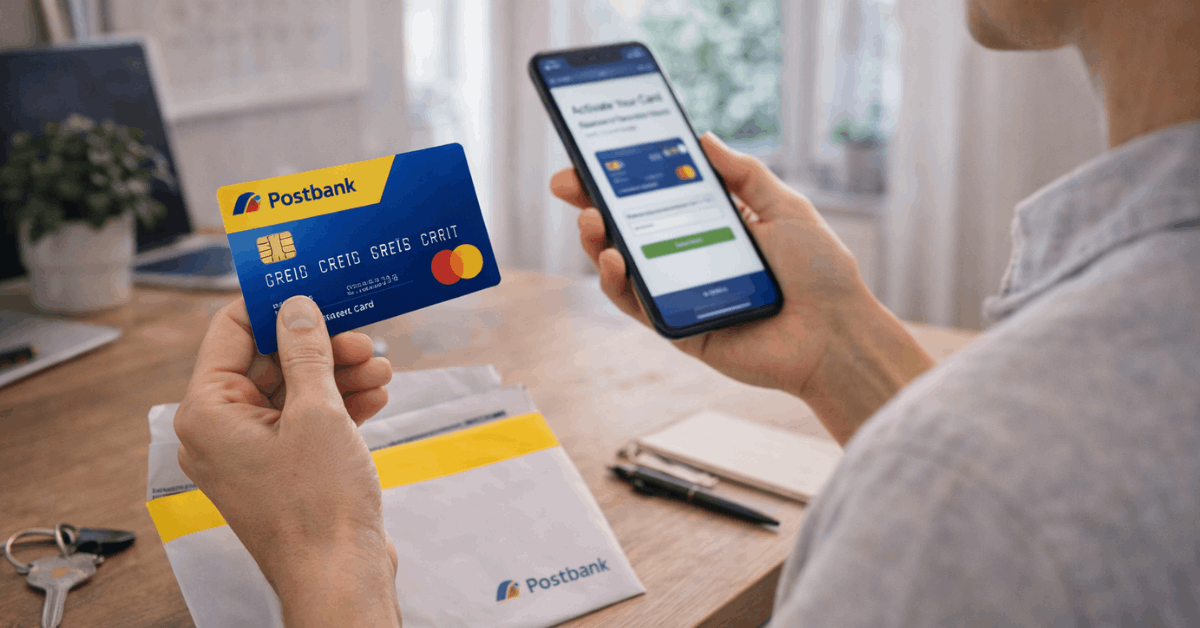
Shoppers who already keep a Postbank current account gain the cleanest experience because fees and servicing sit in one place. Travelers who mostly spend in euros across the EEA benefit from zero-fee euro purchases, then pay a published foreign currency fee on non-euro transactions.
Everyday use remains simple: add the card to Apple Pay and Google Pay, set alerts, and keep the physical card as backup.
Fees and Pricing At A Glance
Understanding headline costs helps you compare the card to travel products or premium tiers. The fee structure published by Postbank links the annual charge to checking packages, then applies clear rules to purchases and cash access.
Review current figures in the official price list before applying, since banks update schedules periodically.
Typical Pricing Elements For Consumer Cards
| Item | Standard Terms Overview |
| Annual fee | Free with Postbank Giro extra plus; first year free with Postbank Giro plus; standard fee applies otherwise |
| Purchases in EUR (EU/EEA) | Listed as free for card payments in euros |
| Foreign currency fee | Published at 1.85 percent on non-euro purchases (consumer cards) |
| Cash withdrawal fee | 2.5 percent, minimum five euros; operator surcharges may apply |
| Extra abroad notes | Additional surcharge outside the EU or in foreign currencies; special terms for Giro extra plus on some withdrawals |
Card Usage Rules In Germany and Abroad
Domestic card payments in euros remain fee-efficient for routine shopping and bills. EEA euro purchases also post without a currency fee, which simplifies regional trips.
Non-euro transactions attract the published foreign currency fee after conversion, separate from any local surcharges. Cash needs are covered at ATMs worldwide, although withdrawals cost more than purchases and should be planned sparingly.
Which Version Fits: Standard, Gold, Or Platinum
Product variety matters because benefits scale with annual fees. The standard Mastercard suits general use where acceptance and mobile wallets matter most.
Gold typically adds foreign travel medical and trip cancellation insurance, while Platinum layers premium travel privileges such as lounge access.
Picking the lowest-cost tier that actually matches your travel frequency prevents overpaying for unused coverage.
Eligibility and Documents: What To Prepare
Smooth approvals begin when eligibility and paperwork align with German banking rules. The card pairs naturally with a current account, so many applicants open Postbank Giro Plus or Postbank Giro Extra Plus during the same flow.
Credit assessment checks identity, residence, and repayment capacity using standard banking data points. Organize proofs in advance so the screening team can finish without back-and-forth.
Documents To Have Ready
- Valid government ID or passport that supports Postbank video identification.
- Address proof, such as a current utility bill or registration document.
- Recent income evidence, for example, payslips or a tax notice.
- Banking details used for settlements and communication preferences.
- Contact information that matches official records.
How To Apply Online: Step-By-Step
Clear steps reduce friction and keep timelines predictable. Most applicants finish the digital flow on a phone or laptop, complete identity checks in minutes, then receive a card and PIN through separate mailings.
- Start on the product page, choose the card, and confirm your account package.
- Complete the short form: personal data, address, employment, and communication settings.
- Launch the Postbank video identification or the supported remote ID process and follow the prompts.
- Submit for review; a standard credit evaluation confirms eligibility and limits.
- Wait for the decision and card production; delivery typically takes a few business days.
- Activate the card, add it to Apple Pay and Google Pay, and set alerts and limits.
Identity Checks, Age, and Residency
Remote verification replaces paper-heavy onboarding and works on modern smartphones, tablets, or a computer with a camera and a microphone. A valid ID is presented on screen while a trained agent or automated system confirms authenticity and facial match.
German residency and an acceptable address are expected, and outcomes remain subject to internal credit checks under local law. Aligning your data precisely with official records prevents delays and re-requests.
Everyday Value and When The Card Fits Best
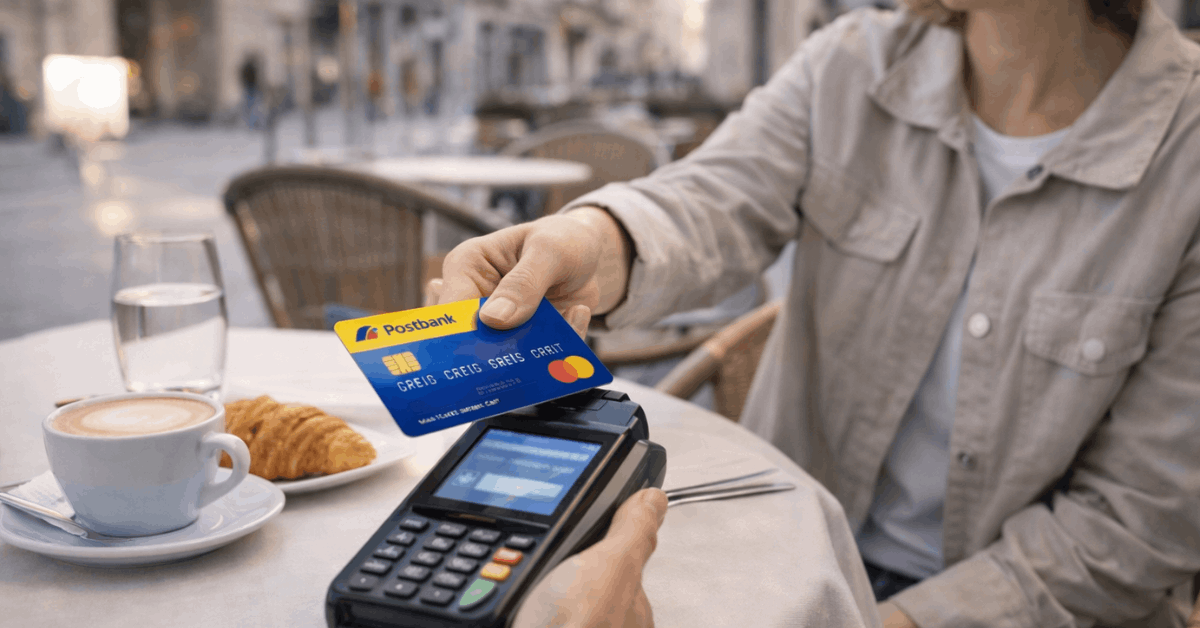
Daily shoppers get value through broad acceptance, mobile wallet support, and transparent rules on euro purchases. Holders who rarely withdraw cash but pay frequently at terminals or online typically keep costs low.
Frequent travelers who visit non-EU markets may prefer higher tiers for bundled insurance, although the standard product still works globally. Pairing the card with alerts, spending limits, and statement reviews delivers strong control without extra tools.
Interest, Cash, and Practical Cost Control
Purchase balances avoid interest when paid on time, while cash advances attract higher charges by design. ATM use costs more than terminal payments, so reserve withdrawals for emergencies or where cash is unavoidable.
EEA euro purchases are fee-free on the cardholder side, then non-euro spending adds the published foreign currency fee. A short monthly routine protects your budget: review statements, pay in full, and monitor limits ahead of travel.
Contact Paths and Headquarters
Questions about cards, pricing, or access can be routed to Postbank customer service through published phone lines and secure online channels. Service teams handle card blocking, disputed transactions, login resets, and general product support.
Corporate addresses appear in the bank’s imprint and include locations in Bonn along Friedrich-Ebert-Allee, along with additional editorial and service contacts at Bundeskanzlerplatz. Use official channels for data protection and faster case handling.
Quick Troubleshooting During Onboarding
Occasional stalls come from mismatched data, expired IDs, or incomplete scans. Recheck the address against registration documents, confirm that the ID is valid for the video process, and retry in a well-lit environment.
Network drops can also interrupt remote identification; switching to a stable connection generally resolves the issue. Support teams can restart a check or advise on an alternative path if a session times out.
Conclusion
A successful Postbank Mastercard Credit Card application rests on three habits: pick the right checking package, understand core fees, and complete remote identification cleanly. Predictable euro pricing, wallet support, and global acceptance cover daily use in Germany and on regional trips.
Travelers who need bundled insurance can step up to higher tiers, while general users keep costs low with the standard card. Careful document prep and accurate data entry shorten timelines and make the activation routine.
Note: This site provides general information on credit cards and payment products, not financial, legal, or tax advice; always verify rates, fees, and terms with the issuing bank before applying.